Visiting timetableClosed
|Saturday, October 17, 20265 Rue de Thorigny, 75003 Paris, France
Back to art
periods
Picasso Blue Period: Themes and Masterpieces
A focused overview of Picasso’s Blue Period—motifs, key works, and how monochrome became a moral and aesthetic choice.
1/8/2025
15 min read
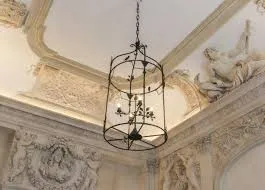
The Blue Period (1901–1904) marks a radical ethical modernism: elongated figures, austere settings, and a spectrum of cobalt to Prussian blues. Picasso’s empathy extends to the poor, the sick, and the incarcerated.
🎨 Formal Language
- Palette: Blue with sparse earths and whites.
- Figures: Elongated, sculptural, and introverted.
- Spaces: Minimal, planar, almost liturgical.
🔍 Motifs
- Maternity, Blindness, Poverty
- Café and Street Life reframed as quiet existential stages
- Ascetic Self‑portraiture
Quick Facts
| Attribute | Value |
|---|---|
| Years | 1901–1904 |
| Tone | Monochrome blues |
| Ethos | Empathy, austerity |
A Note on Viewing
In the museum, cool lighting and clean sightlines avoid spectacle, sustaining the works’ ethical register.
$$ \text{Blue Luminance Index} = 0.11,R + 0.59,G + 0.30,B $$
About the Author

Art Historian
As an art‑loving Paris flâneur, I created this guide to help visitors connect with Picasso’s works — from private notebooks and ceramics to audacious canvases and sculpture.
Tags
Blue Period
Barcelona
Paris
Monochrome
Modernism
Comments (0)
Leave a Comment
Loading comments...