Musée Picasso Paris: Hôtel Salé History and Architecture
A deep look at the Hôtel Salé’s baroque architecture, transformations, and how the building shapes the experience of Picasso’s work.
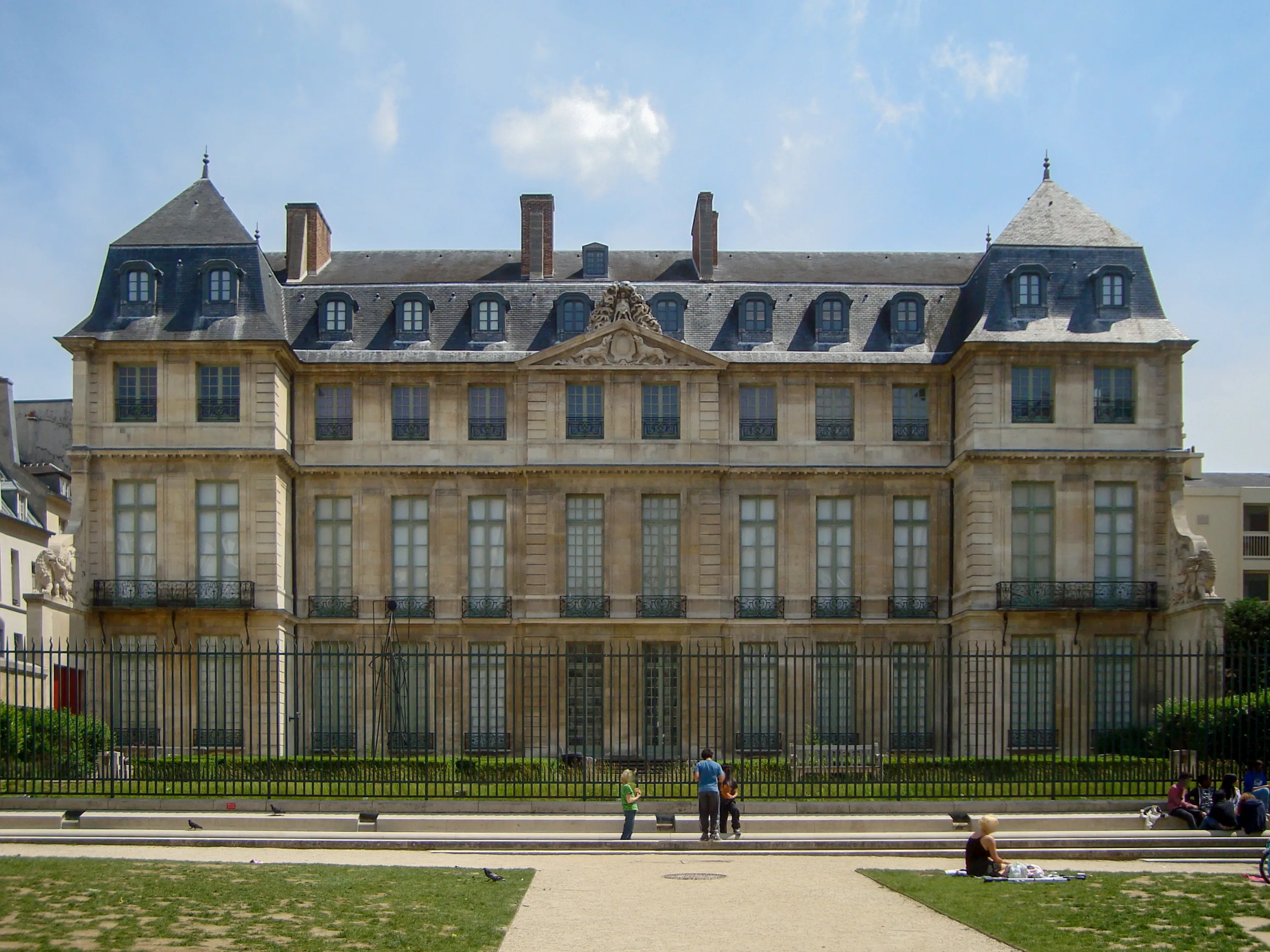
The Musée Picasso Paris inhabits the spectacular Hôtel Salé—a baroque mansion commissioned in the 1650s. Its dramatic staircases, sculpted stuccos, and grand salons become a stage where Picasso’s transformations unfold. The dialogue between 17th‑century architecture and 20th‑century modernism is a core part of the museum’s identity.
🧱 A Mansion Built for Prestige
- Commission: Pierre Aubert, a wealthy tax farmer, c. 1656–1659.
- Architect: Likely Jean Boullier (dit Le Bourguignon).
- Nickname: Hôtel Salé ("salty") due to the fortune from salt taxes.
- Style: Baroque classicism with sculptural façades and ceremonial stairs.
The building’s theatricality suits Picasso—each landing a proscenium, each salon a scene.
🔧 Restorations and Museography
- 1974–1985: Adaptation as a museum after France acquired the Picasso estate.
- 2010–2014: Major renovation for climate control, circulation, and accessibility.
- Today: Reversible museography respects heritage while enabling contemporary curatorial narratives.
🧭 Spatial Rhythm
- Ceremonial Staircase: A kinetic axis connecting floors and periods.
- Grand Salons: Ideal for large canvases and sculptural ensembles.
- Attic & Mezzanines: Intimate viewing for drawings and prints.
$$ \text{Stair Ratio} = \frac{\text{rise}}{\text{run}} approx \frac{17}{28} = 0.607 $$
Quick Facts
| Attribute | Value |
|---|---|
| District | Le Marais, 3rd arrondissement |
| Built | c. 1656–1659 |
| Style | Baroque classicism |
| Museum Opening | 1985 (reopened 2014) |
Why It Matters
The Hôtel Salé frames Picasso’s radicality—heritage space amplifying modern experiments. The architecture isn’t a backdrop; it’s part of the storytelling.
저자 소개

Curatorial Team
파리의 예술을 사랑하는 플라뇌르로서, 노트와 도자에서 대담한 캔버스와 조각에 이르기까지, 피카소의 작업에 가까이 다가가도록 이 가이드를 만들었습니다.
Tags
Comments (0)
Loading comments...