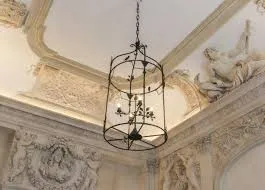
Picasso’s Blue Period: Melancholy, Modernism, and Monochrome Intensity
From Barcelona to Paris (1901–1904), the Blue Period forged a new psychological modernism—cool tone, elongated figures, and ethical attention to the marginalized.
→
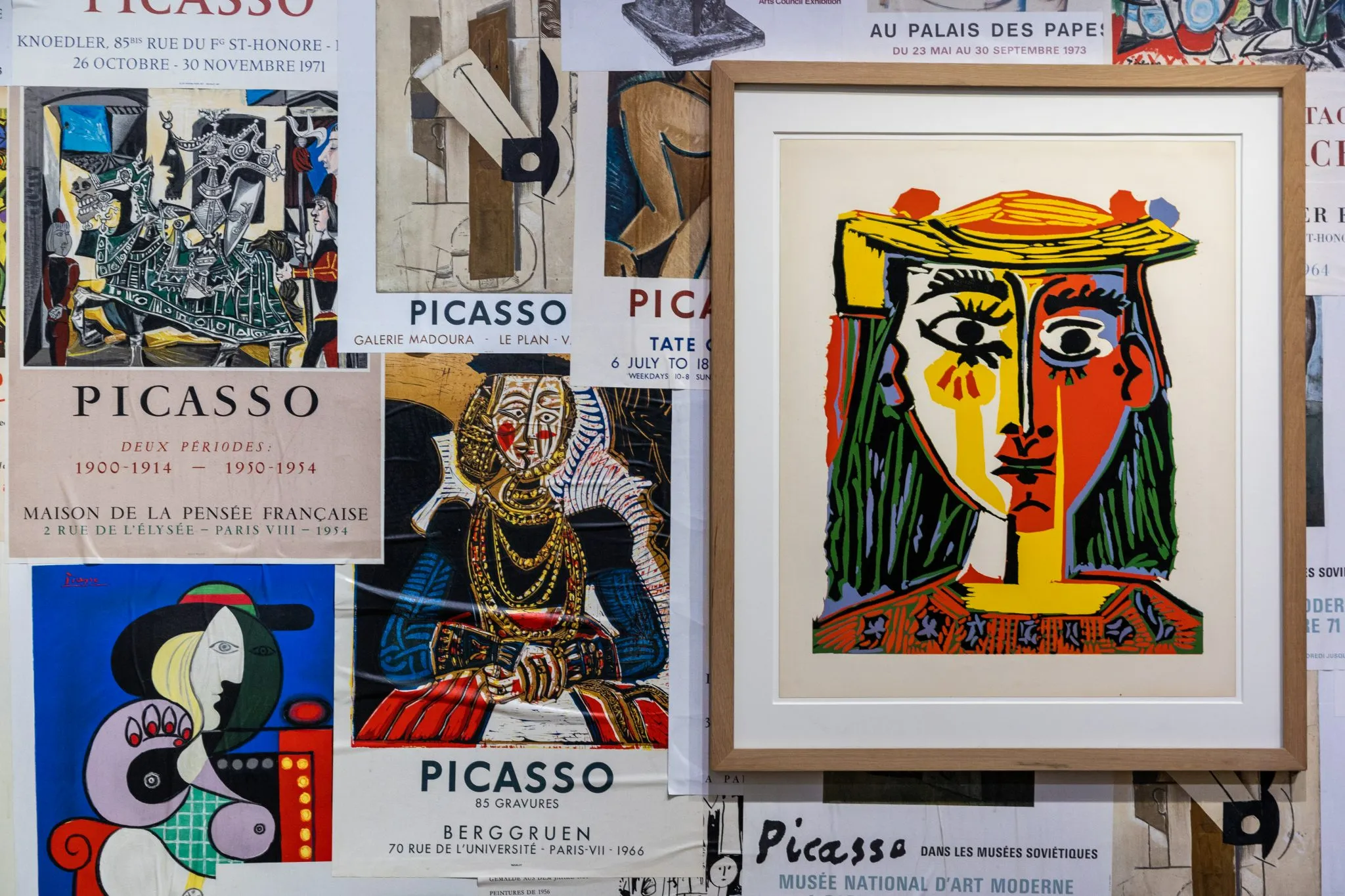
Rose Period: Circus, Tenderness, and the Warm Pivot to Poetry
Picasso’s Rose Period (1904–1906) softens the palette and turns toward acrobats, saltimbanques, and intimate tableaux—poetry in pinks and ochres.
→
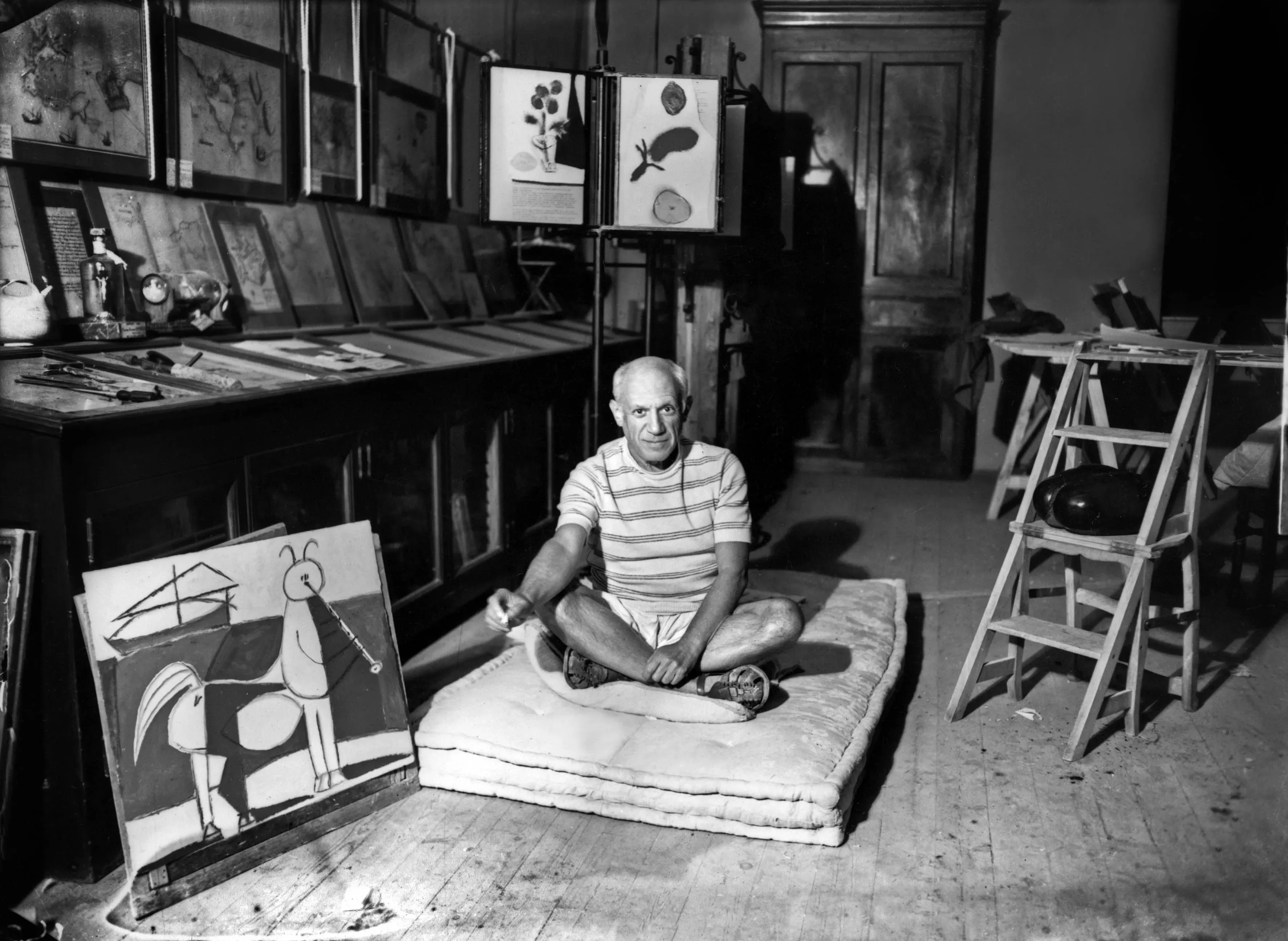
Masks and Primitivism: African Influences and the Shock of Form
1906–1909: Encounters with African art catalyze radical simplifications and new anatomies—setting the stage for Cubism’s seismic shift.
→
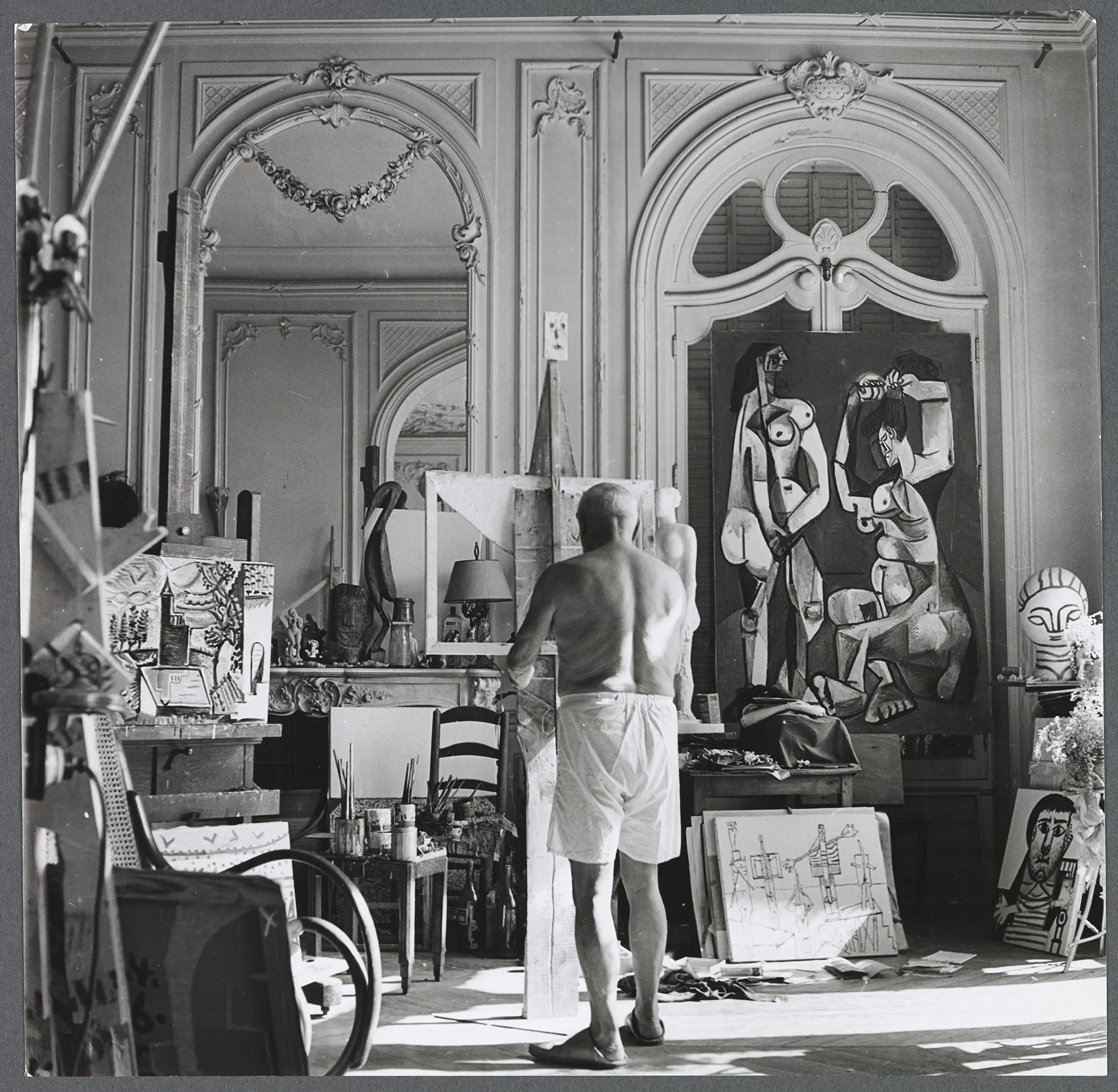
Analytic Cubism: The Birth of Fragmentation and Multiple Viewpoints
1909–1912: With Braque, Picasso dissolves objects into planes, fostering conceptual seeing and new pictorial grammars—an epochal pivot.
→
Synthetic Cubism: Collage, Color, and the Joy of Assembly
1912–1914: Paper, rope, found textures—Picasso’s collage revolution restores color and play, rendering reality through assembly.
→
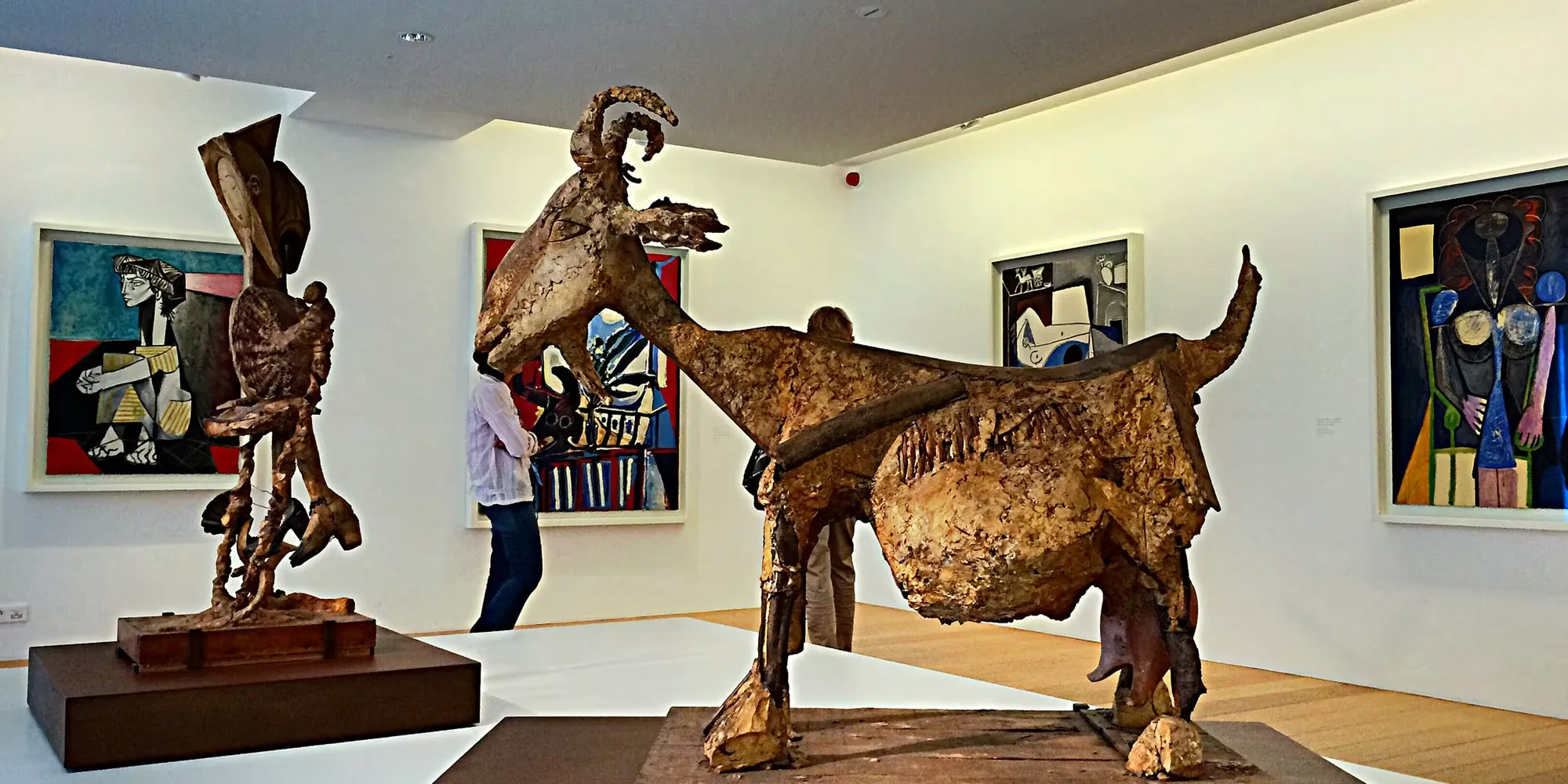
Sculpture at the Musée Picasso: ‘The Goat’, Bronzes, and Material Intelligence
Picasso’s sculptural thinking—assemblage, casting, and witty substitutions—culminates in pieces like ‘The Goat’, reimagining volume as language.
→
Picasso’s Ceramics: Techniques, Motifs, and the Joy of Everyday Forms
From Vallauris onward, Picasso’s ceramics reimagine vessels as canvases—engaging line, relief, and playful metamorphoses.
→
Picasso and Opera: Stage Designs, Costumes, and Theaters of Modernity
Picasso’s collaborations for ballet and opera open a theatrical dimension—space, fabric, and movement become pictorial problems.
→
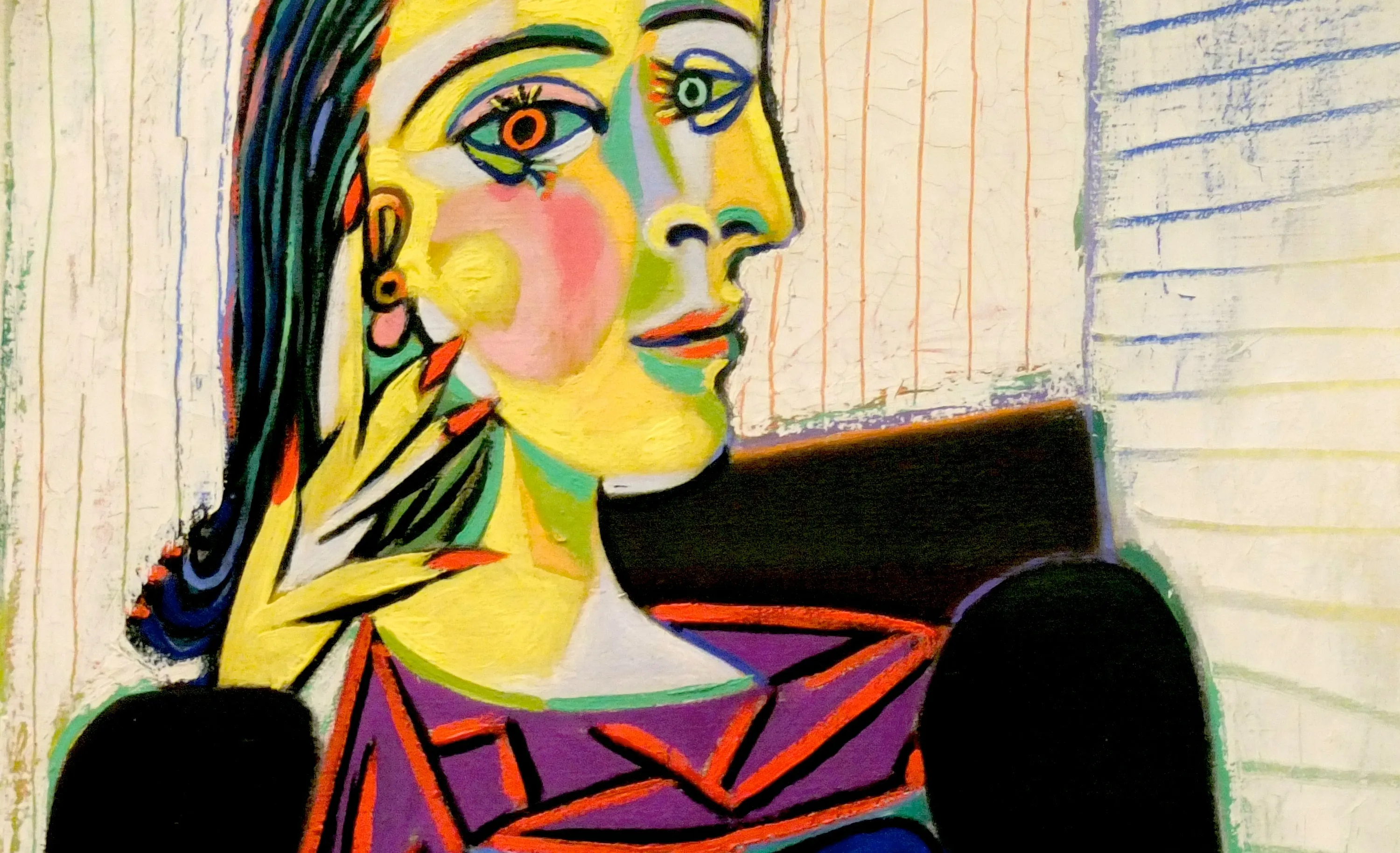
Portraits of Women: Muses, Metamorphoses, and the Ethics of Looking
Marie‑Thérèse, Dora, Olga, Jacqueline—Picasso’s portraits are art histories and biographies at once. How do we look responsibly?
→
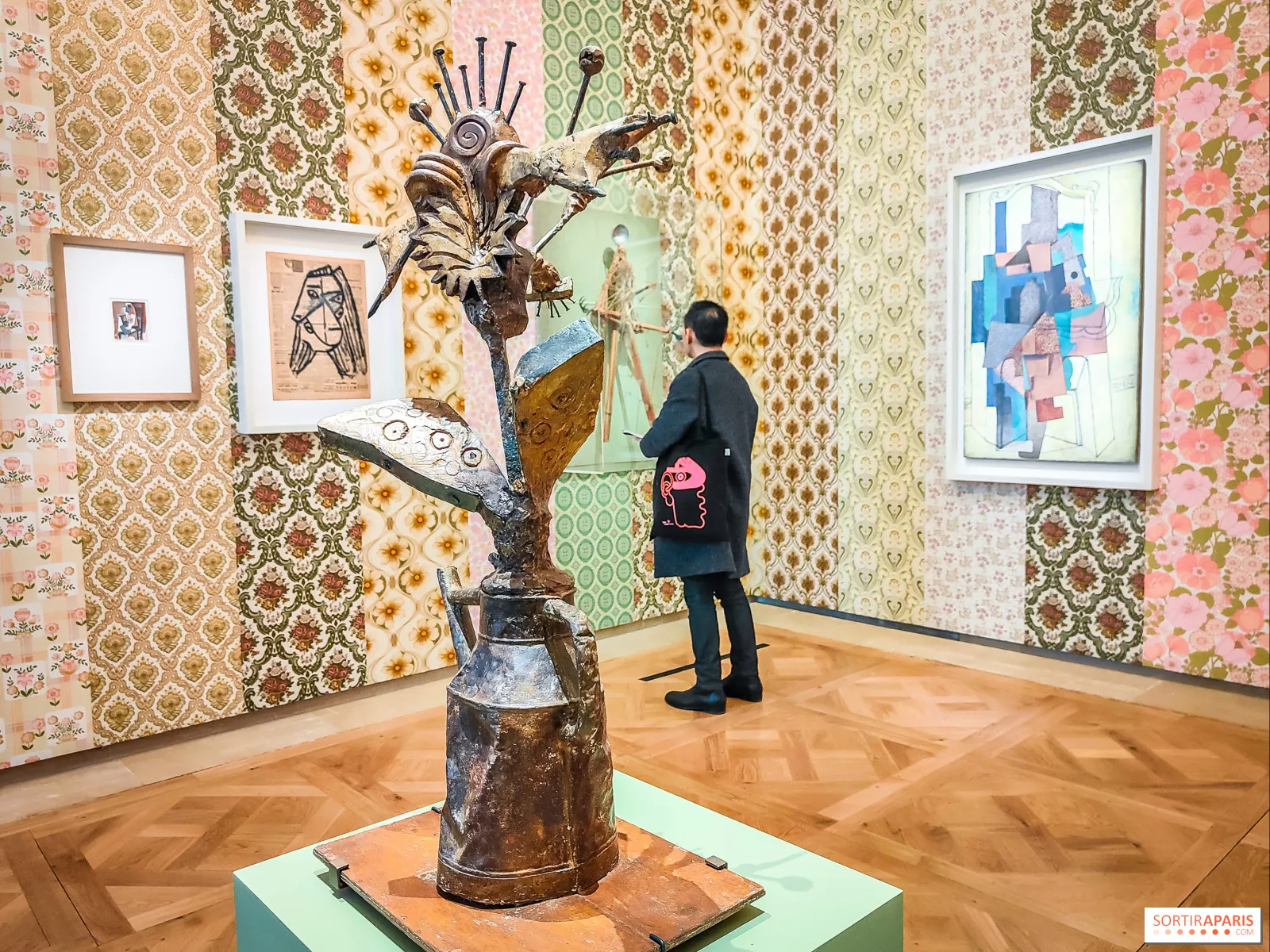
Drawings and Sketchbooks: Process, Practice, and the Thinking Line
Picasso’s drawings reveal speed, hesitation, and invention—sketchbooks as laboratories for form and narrative.
→
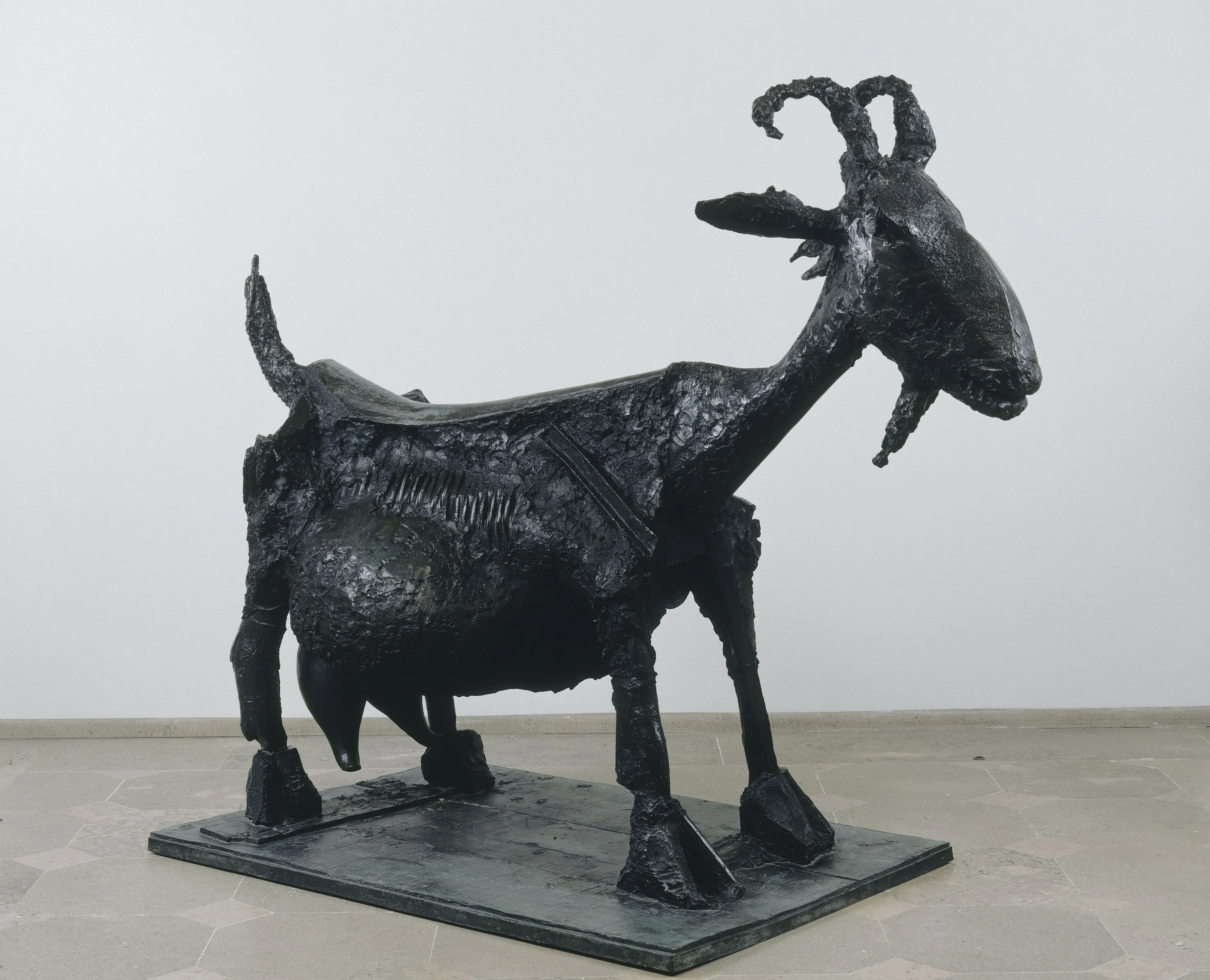
Bronze Casting: Process, Patinas, and Picasso’s Sculptural Editions
From wax to bronze, casting preserves gesture while patinas refine mood—how editions are made and displayed.
→
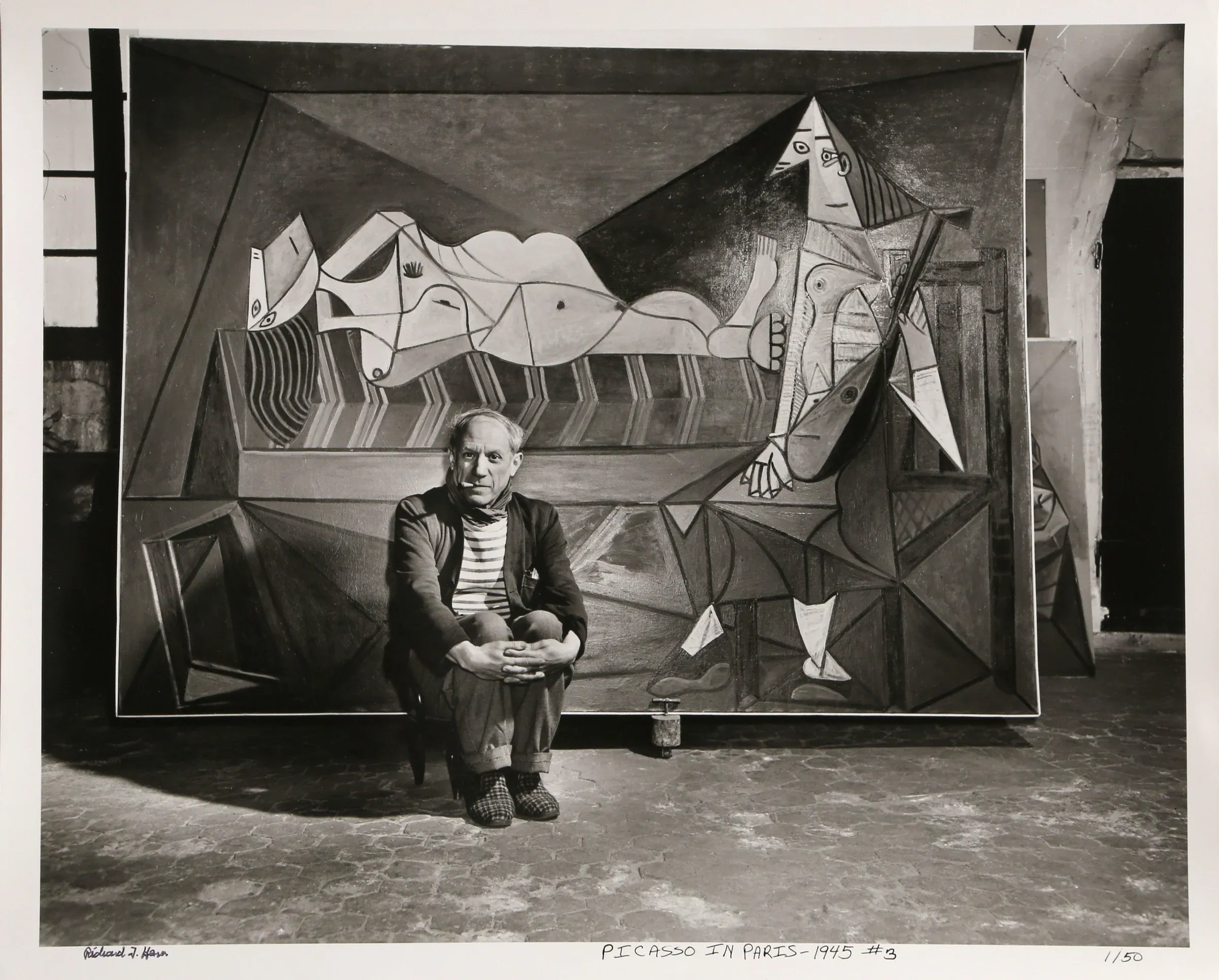
Portraiture Methods: Line, Plane, and Color Across Picasso’s Periods
From classic line to cubist planes and saturated color, Picasso retools portraiture methods to rethink identity.
→
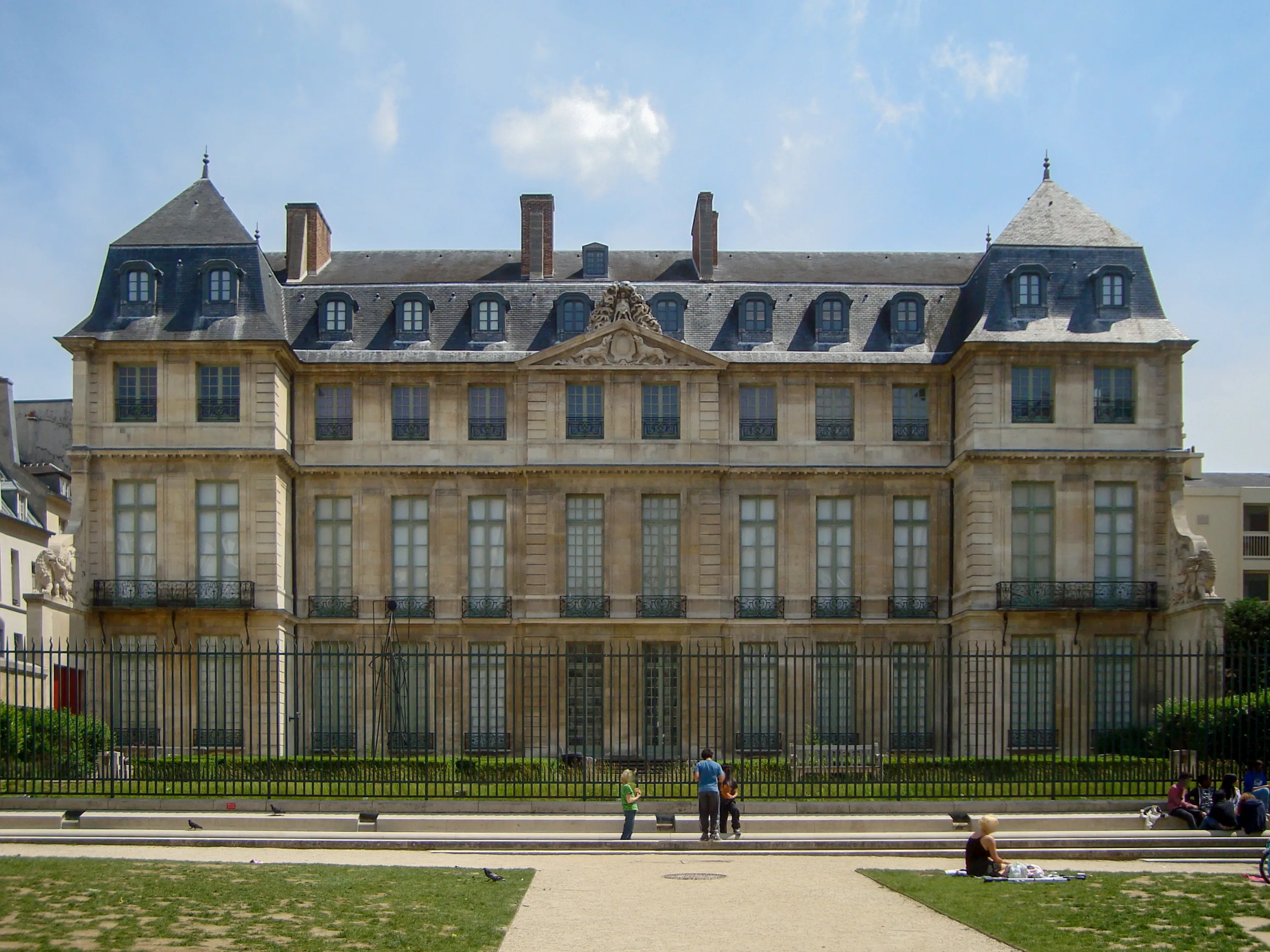
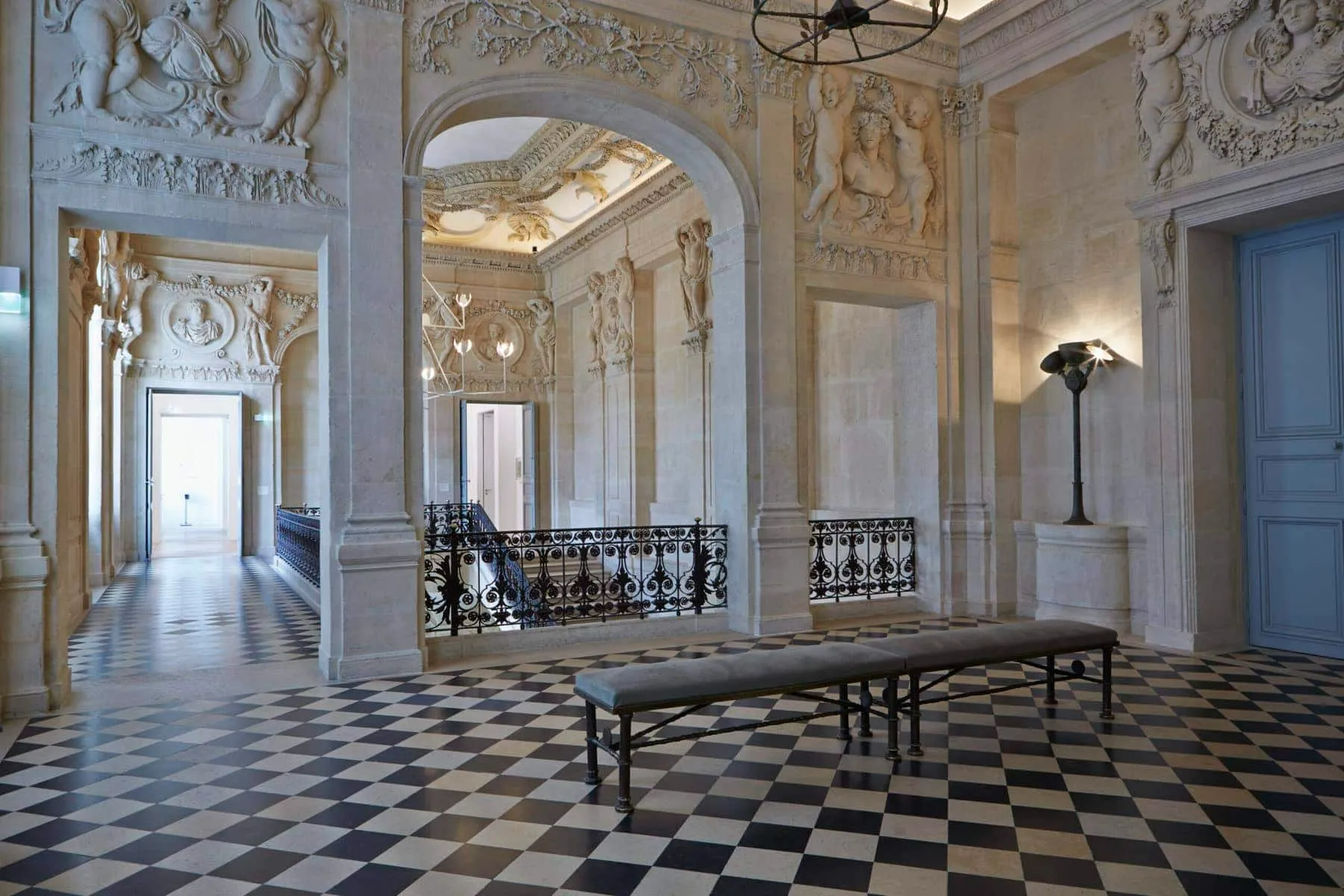
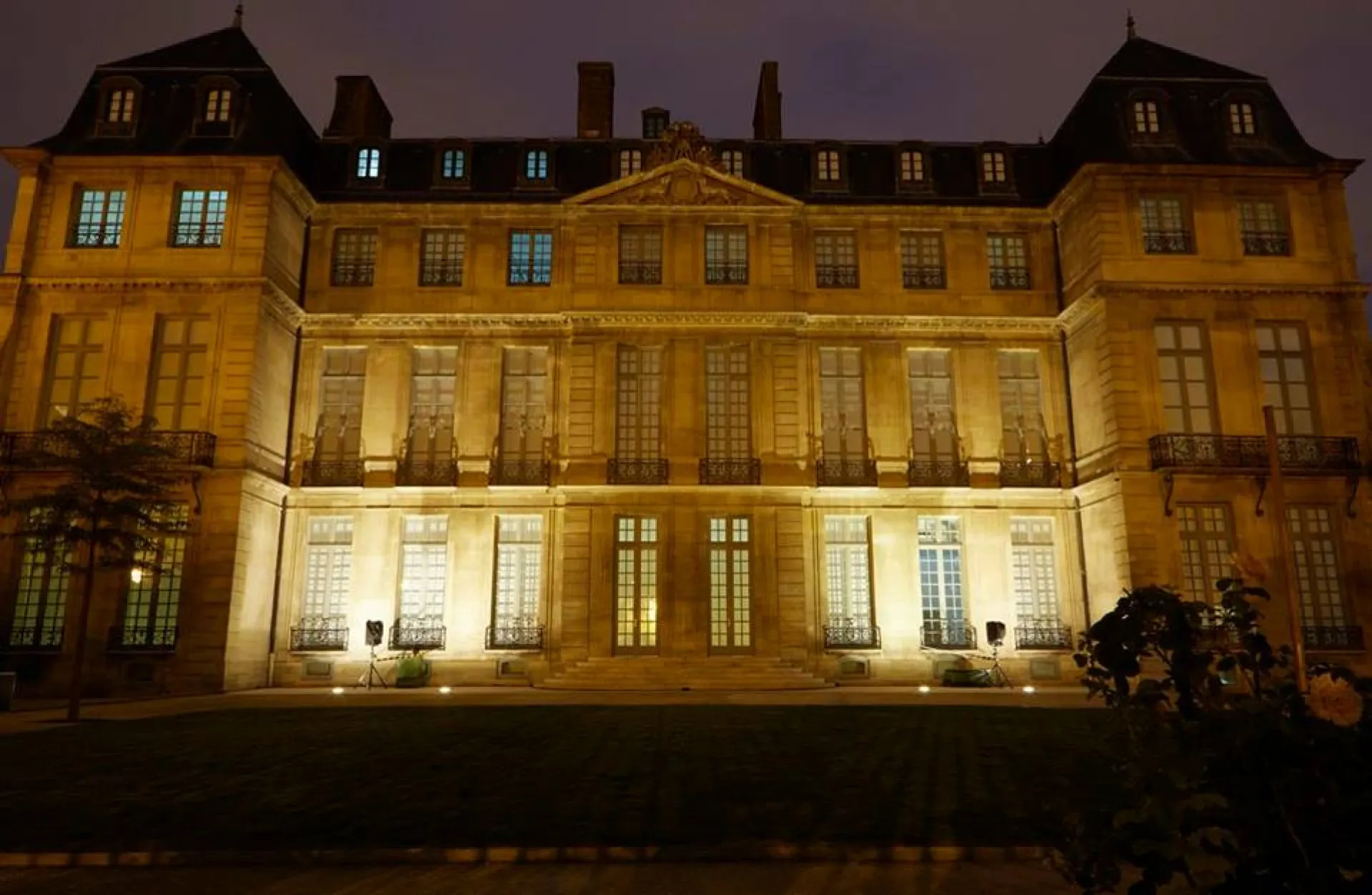
Musée Picasso Paris: The Hôtel Salé — Architecture, Restoration, and Identity
Discover the 17th‑century Hôtel Salé—home of the Musée Picasso Paris—its baroque grandeur, restorations, and how the building frames Picasso’s legacy.
→
Conservation at Musée Picasso: Lighting, Climate, and Caring for Modern Materials
From paper to assemblage, modern art needs careful conservation—controlled light, stable climate, and reversible interventions.
→
Visiting Musée Picasso Paris: Tickets, Hours, Routes, and Smart Tips
Plan your visit: ticket options, opening hours, suggested routes, and how to beat the crowds while seeing the highlights.
→
Family Guide: Activities for Kids at the Musée Picasso Paris
Make the museum playful: sketch stops, shape hunts, and color quests—family‑friendly ways to meet Picasso’s art.
→
Accessibility and Services: Navigating the Musée Picasso Paris
Lifts, seating, audio guides, and accessible routes—how the museum supports varied mobility and sensory needs.
→
Le Marais Guide: Cafés, Galleries, and Walks Around the Musée Picasso
Extend your visit: a short guide to nearby cafés, galleries, and architectural highlights in Le Marais.
→
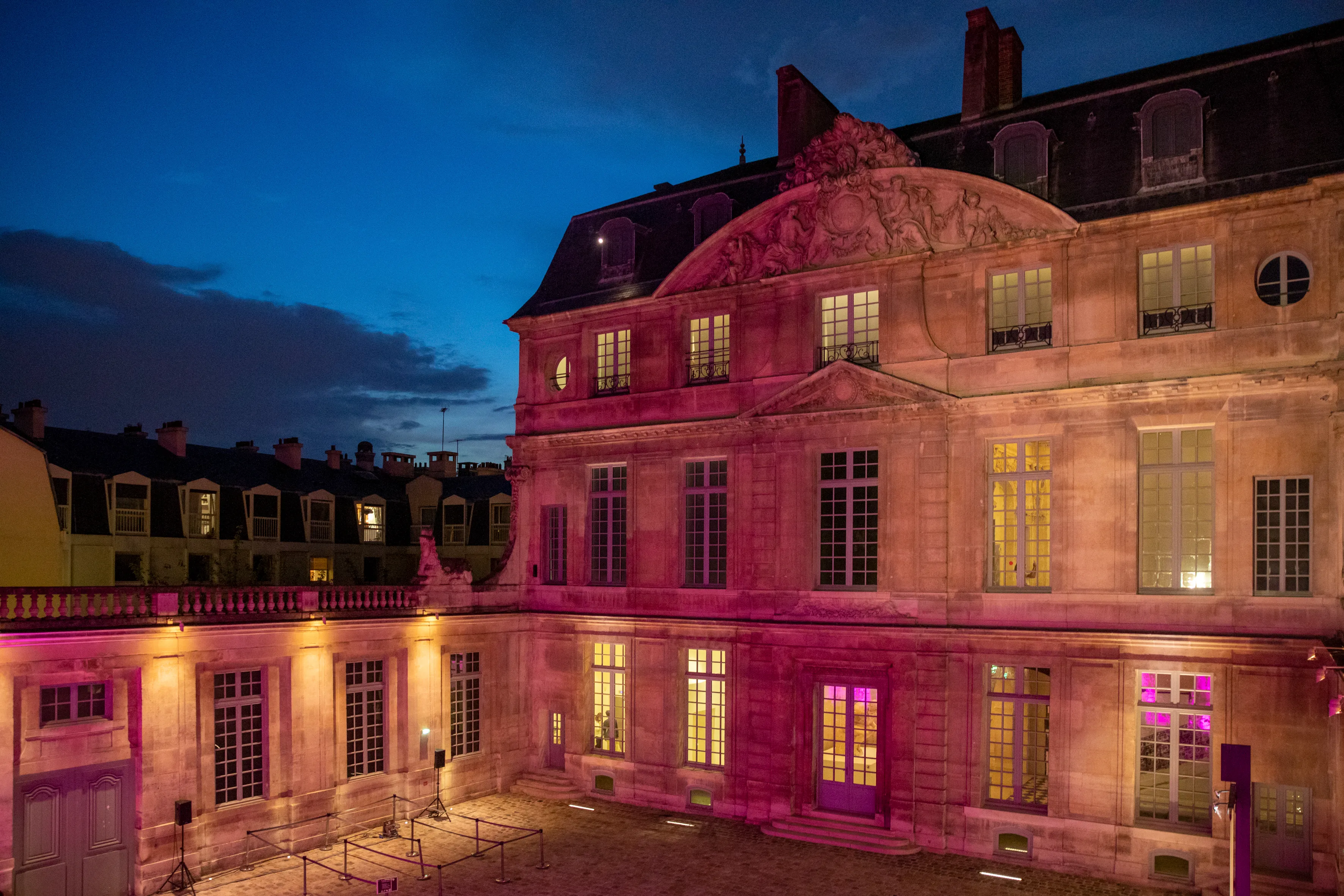
Temporary Exhibitions: Celebrations, Dialogues, and New Readings of Picasso
The museum regularly refreshes viewpoints—dialogues with contemporaries, themed focuses, and celebratory retrospectives.
→
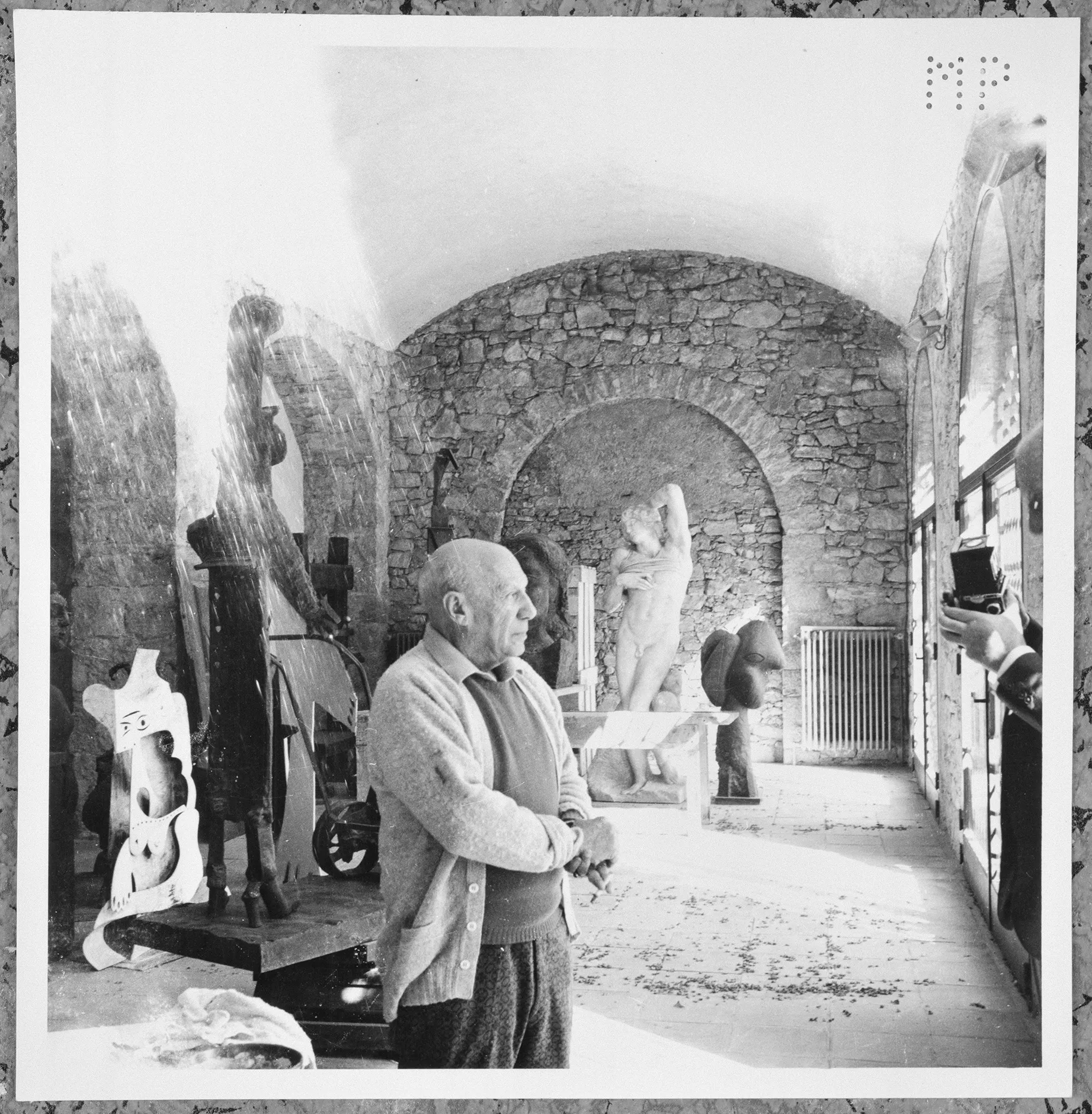
Picasso’s Studios: From Barcelona to Paris—Spaces of Work and Myth
Bateau‑Lavoir to Rue des Grands‑Augustins: the studio as machine, myth, and social space for Picasso’s production.
→

Digital Initiatives: Virtual Tours, Collections Online, and the Museum Brand
The digital museum extends access—virtual tours, online collections, and a clear brand identity for learning and outreach.
→
Night at the Musée Picasso: Evening Experiences, Light, and New Rhythms
Late openings transform the museum—changed light, quieter rooms, and a fresh rhythm of viewing.
→
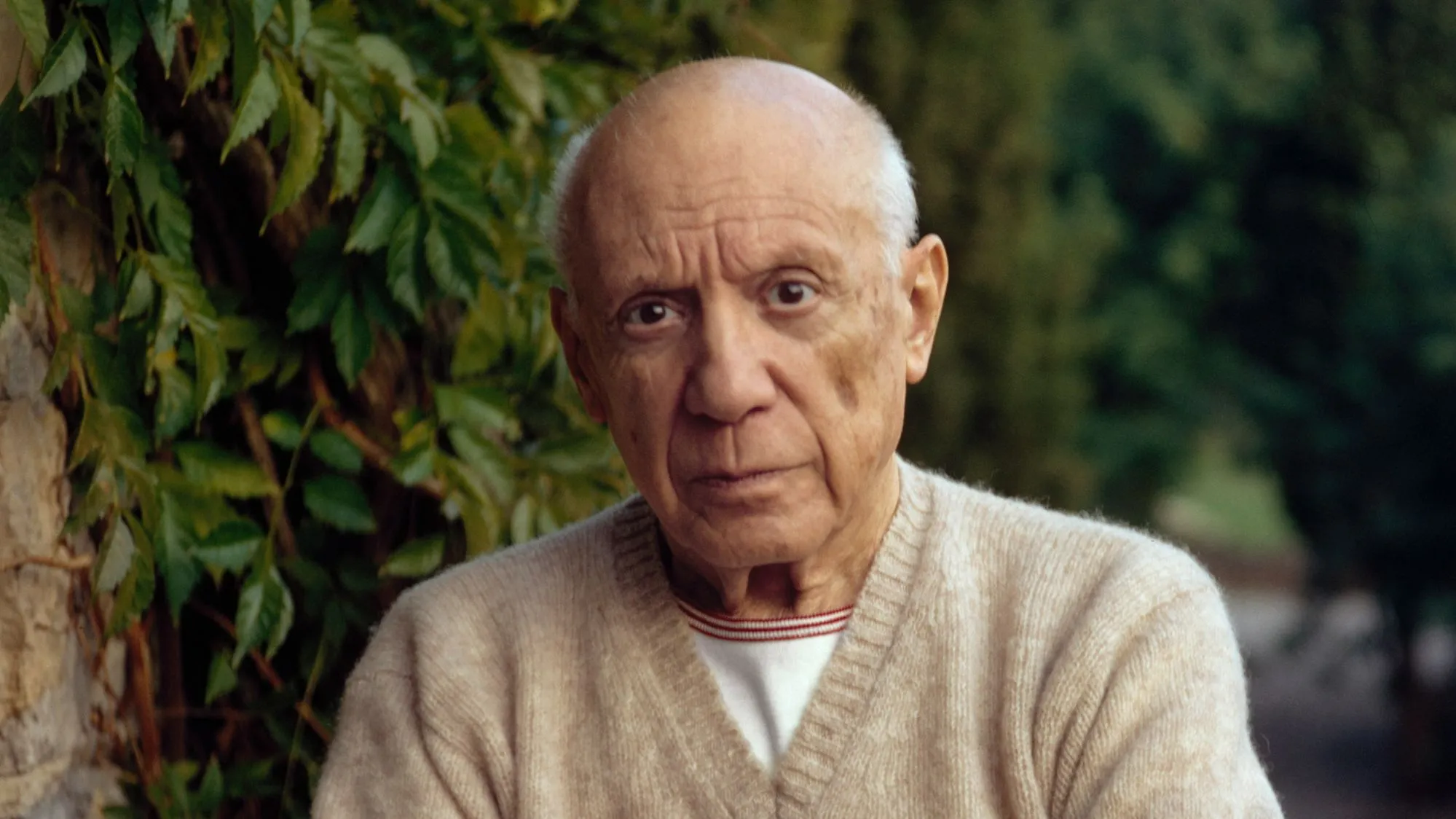
Picasso and Paris: Life, Networks, and Artistic Scenes
Paris shaped Picasso’s networks—poets, dealers, and studios—creating the ecology that sustained experiments.
→
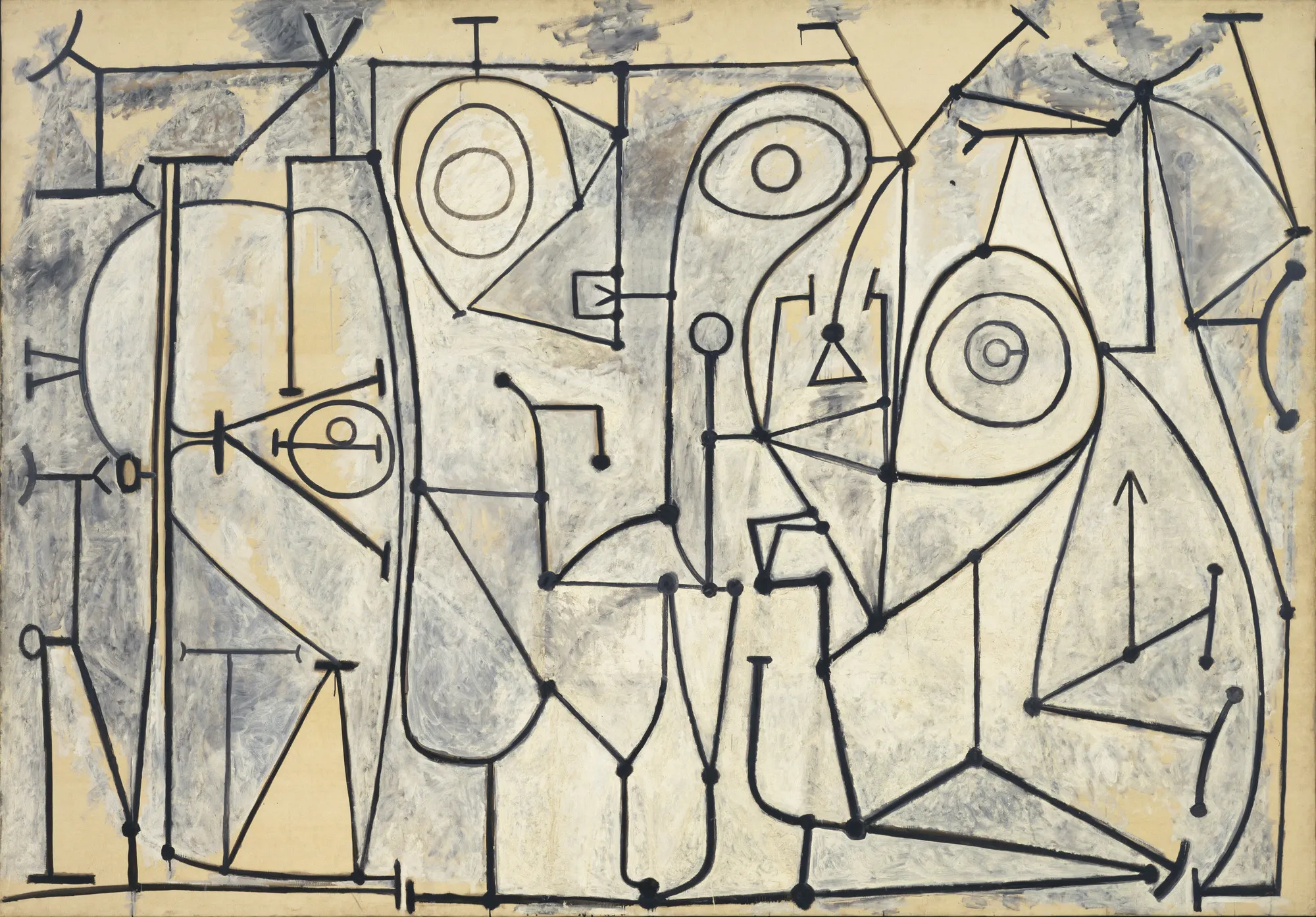
Opera Archives: Costumes, Maquettes, and Documents as Living Artifacts
Museum archives hold process artifacts—costumes, maquettes, and documents—bridging performance and object history.
→
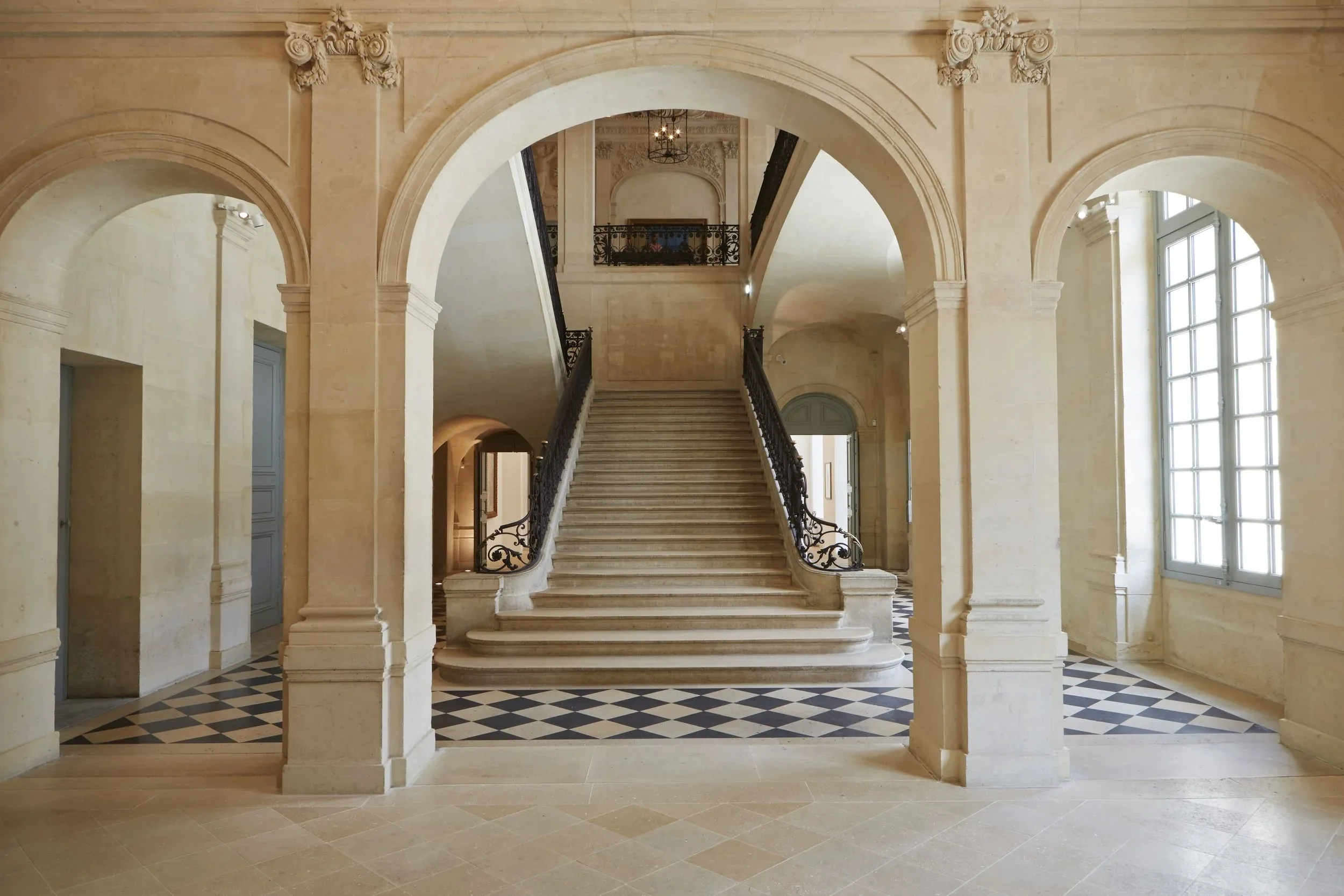
Visitor Flow and Exhibition Design: How the Musée Picasso Guides Seeing
From stairs to sightlines, exhibition design shapes attention—how architecture and museography guide visitor flow.
→
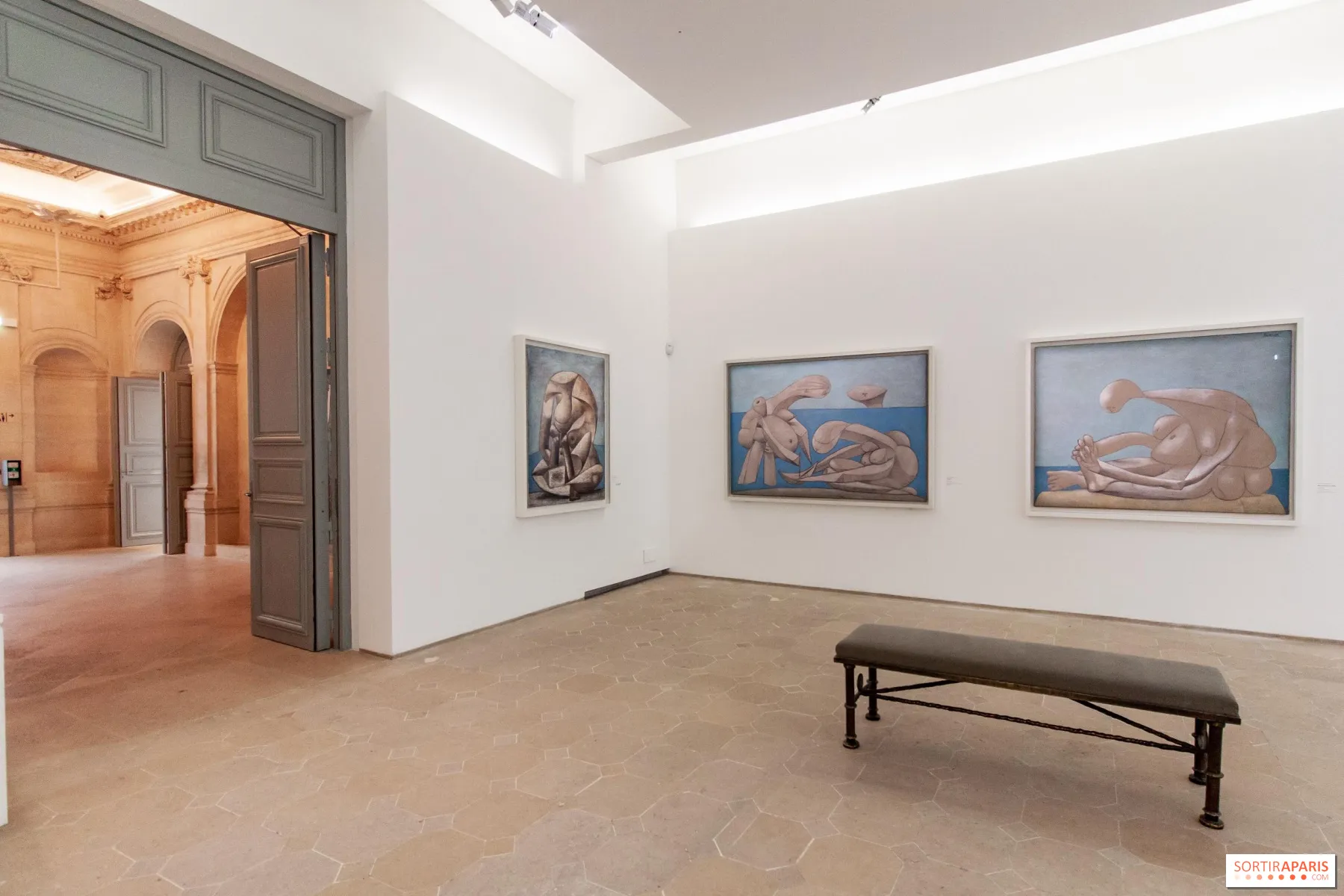
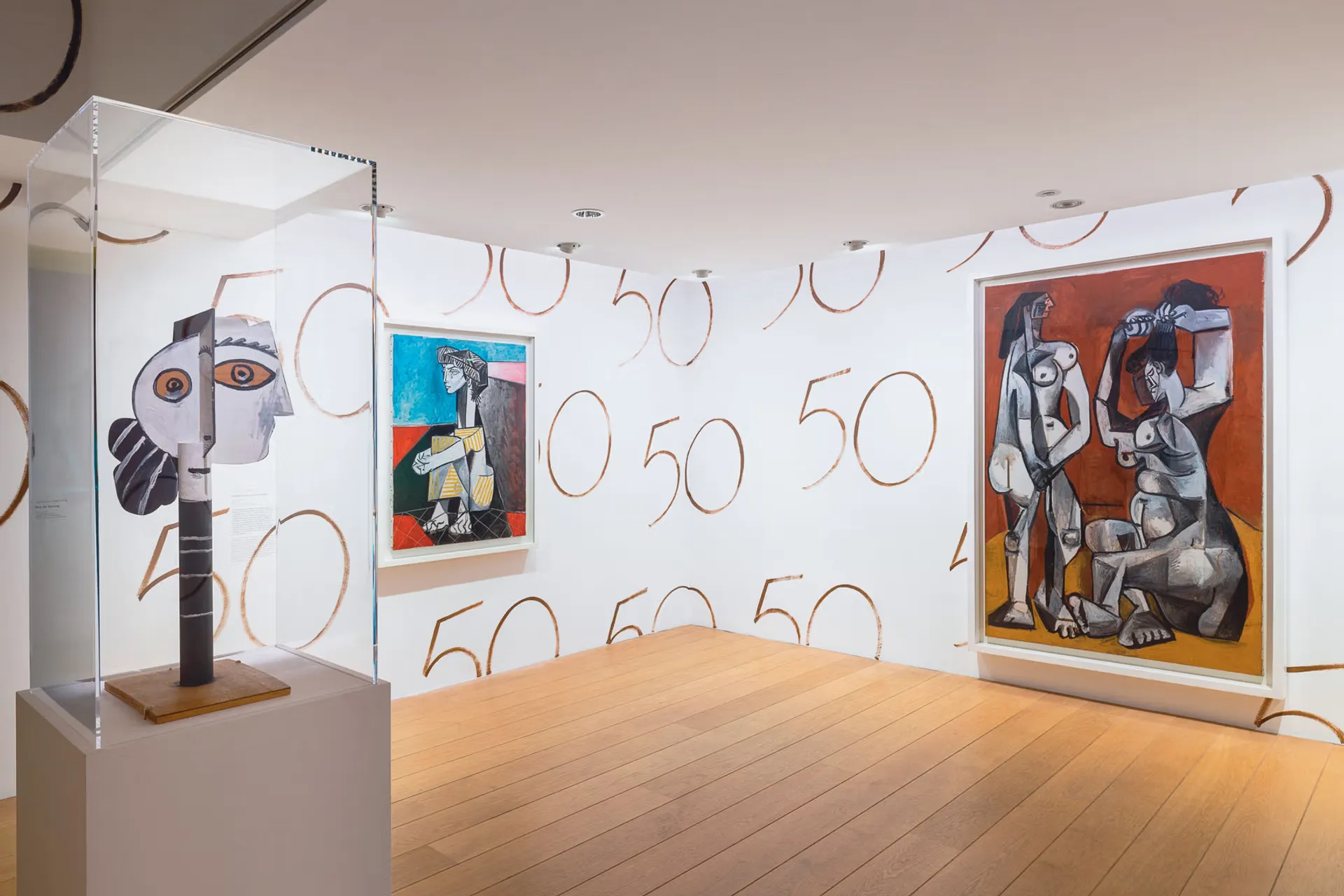
Museum Interiors: Light, Sightlines, and the Silent Grammar of Display
Lighting and sightlines are silent grammar—how interiors support reading Picasso’s works across periods.
→
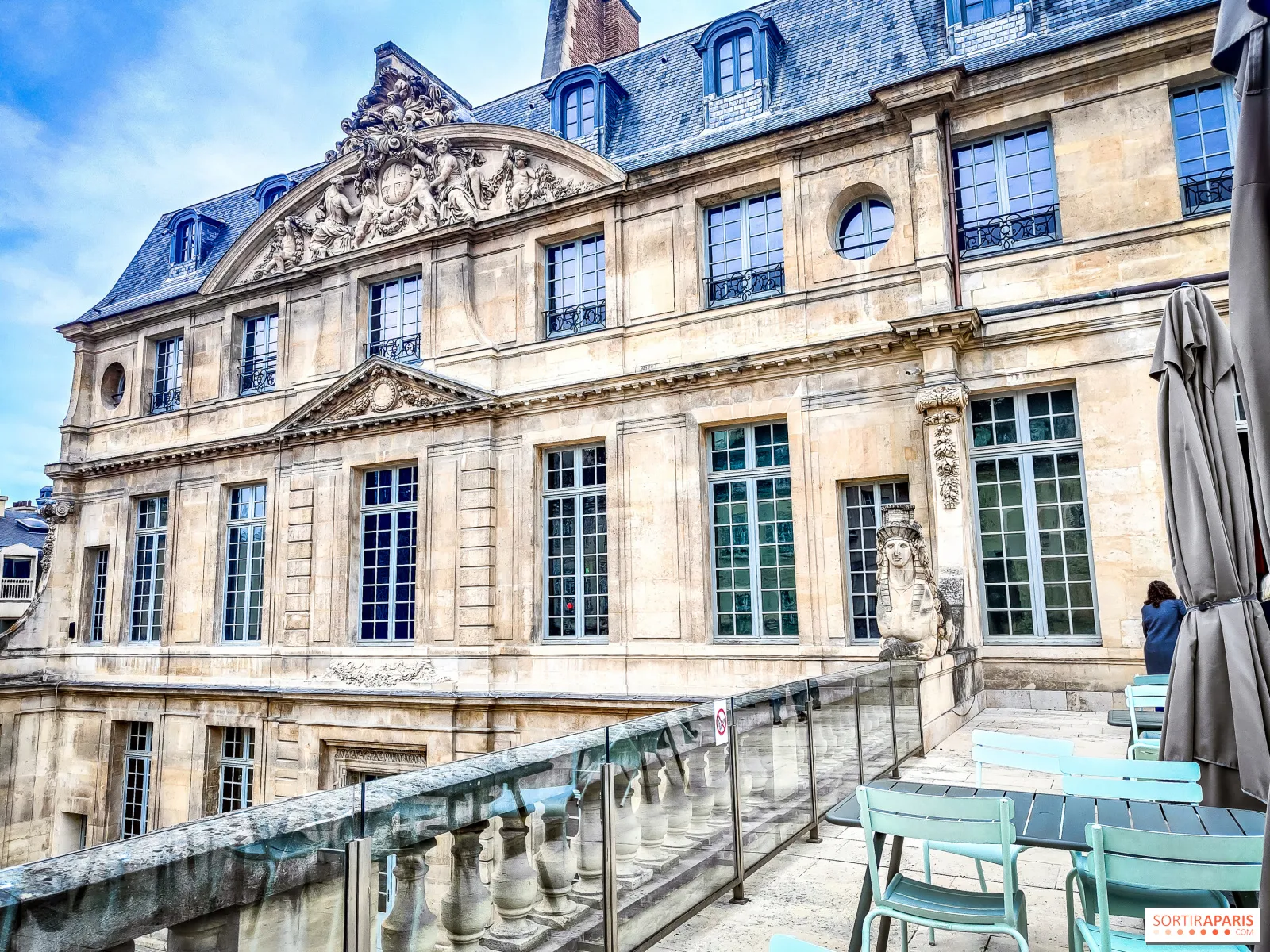
Architecture and Identity: How the Hôtel Salé Shapes the Museum’s Narrative
The building is not neutral—its baroque identity shapes how we tell Picasso’s story across rooms and routes.
→